
Nigeria launches national action plan to end child labour by 2030
News originally published by
International Labour OrganizationABUJA, Nigeria — The Federal Government of Nigeria, with support from the International Labour Organization (ILO) and tripartite partners and key stakeholders, have launched the National Policy on Child Labour and National Action Plan for the Elimination of Child Labour 2026–2030, demonstrating renewed national commitment to protect children and address the root causes of child labour.
The Government launched the new policy in September 2026 during the National Dialogue on “Advancing the Implementation of Nigeria's National Policy and National Action Plan towards 2030: From Commitment to Action.” The initiative unites government institutions, employers, workers' organizations, civil society, communities and development partners around a shared roadmap to end child labour.
Represented by the Secretary to the Government of the Federation, Senator George Akume, President Bola Ahmed Tinubu described the elimination of child labour as both a child-protection imperative and a national development priority. “The Federal Government considers the elimination of child labour not merely as a labour issue, but as a national development priority. Every child must be protected from exploitation and empowered to reach their full potential,” the President said.
The framework sets out measures to prevent child labour, strengthen enforcement, support rehabilitation and improve coordination across institutions responsible for child protection and labour governance. It also connects efforts to eliminate child labour with quality education, social protection, poverty reduction, decent work, food security and human capital development.
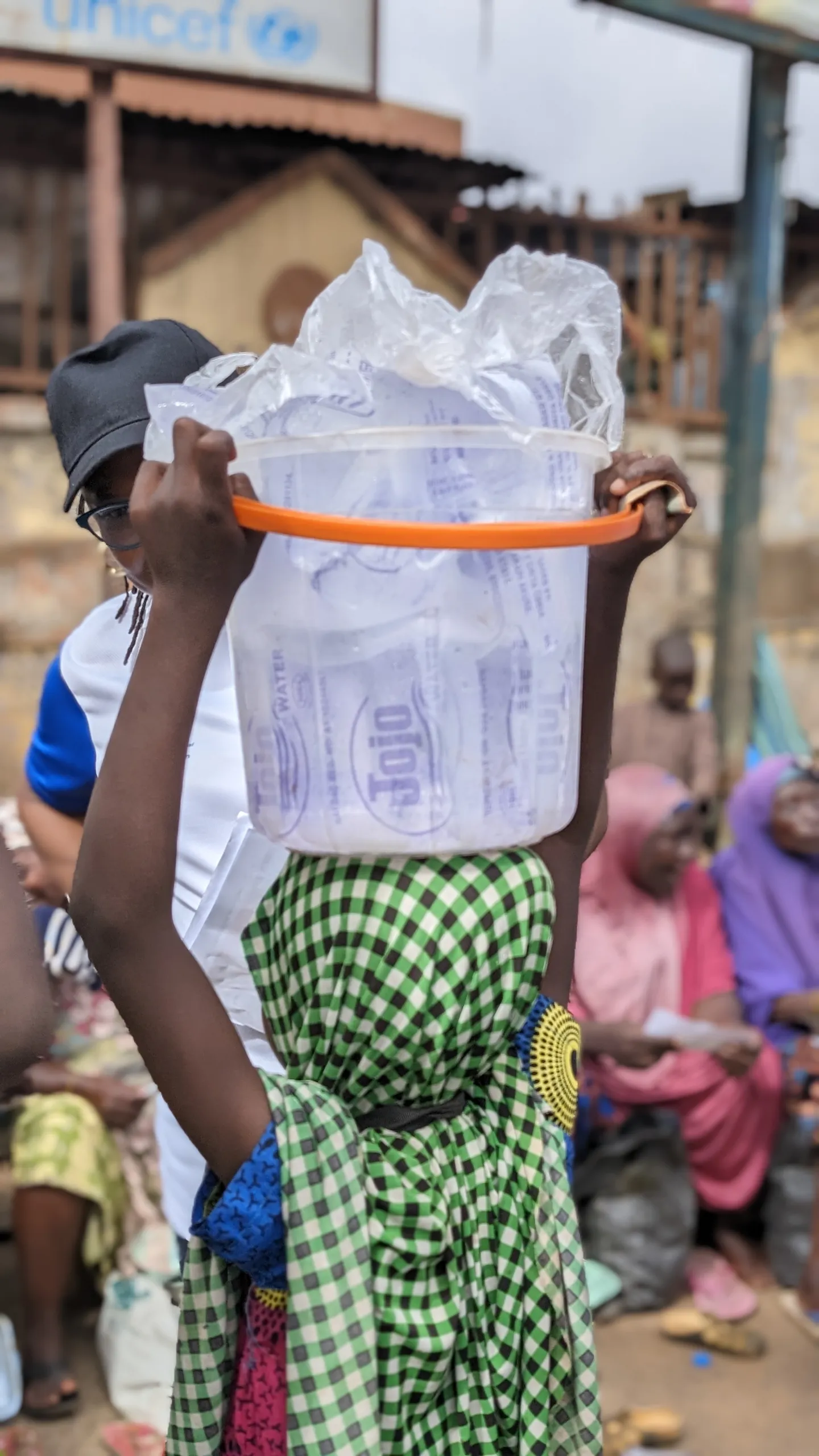
For children, successful implementation will provide greater access to education, safer environments and stronger protection from hazardous and exploitative work. For families, expanded opportunities for decent work, sustainable livelihoods and social protection will reduce economic pressures that often push households to rely on child labour.
Nigeria has demonstrated leadership by incorporating the Marrakech outcomes and recommendations in the Call to Action into the third edition of its National Policy and Action Plan, this marks our collective movement from policy formulation to implementation, from commitment to measurable action and from aspiration to tangible results for Nigerian children and their families.
Vanessa Phala, Director of the ILO Country Office for Nigeria, Ghana, Liberia, Sierra Leone and Liaison Office for ECOWAS
Minister of Labour and Employment Dr. Muhammad Maigari Dingyadi called for a whole-of-government and whole-of-society response, stressing that federal and state institutions, communities and development partners must work together to deliver sustainable results.
Employers' and workers' organizations also reaffirmed their commitment to support implementation. The Nigeria Employers' Consultative Association (NECA) pledged to promote responsible business practices and child-labour-free supply chains, while the Nigeria Labour Congress (NLC) committed to integrating child labour elimination into workers' education, advocacy, collective bargaining and community engagement.
International and regional partnerships continue to strengthen Nigeria's efforts. Through the ACCEL Africa project, supported by the Government of the Netherlands, the ILO helps tackle child labour in supply chains, particularly in cocoa and gold-producing communities. Through the FMM West Africa II Project, funded by the European Union, the ECOWAS Commission is supporting regional efforts to eliminate child labour by strengthening policy implementation, enhancing coordination among Member States, promoting knowledge sharing and capacity development, supporting the implementation of the ECOWAS Regional Action Plan on Child Labour and Forced Labour, and facilitating cross-border collaboration on child labour, child trafficking, and child protection issues.
State governments, civil society organizations, local communities and relevant stakeholders will drive implementation and convert national commitments into meaningful results for children across the country. Through ACCEL Africa II and FMM West Africa II, the ILO will continue working with its tripartite constituents and partners to strengthen labour governance, improve data systems, expand decent work opportunities and promote sustainable solutions to child labour.
© Victor Adetimilehin
As Nigeria works towards its 2030 target, the country must convert commitments into measurable improvements in the lives of children and their families. By keeping children in school, strengthening livelihoods and promoting responsible business practices, Nigeria can accelerate inclusive development, strengthen human capital and end child labour for future generations.
Legal Disclaimer:
EIN Presswire provides this news content "as is" without warranty of any kind. We do not accept any responsibility or liability for the accuracy, content, images, videos, licenses, completeness, legality, or reliability of the information contained in this article. If you have any complaints or copyright issues related to this article, kindly contact the author above.
