

The Rise of ‘The Third Layer’: Why Urban Tourism is Shifting from Monuments to Private Residences
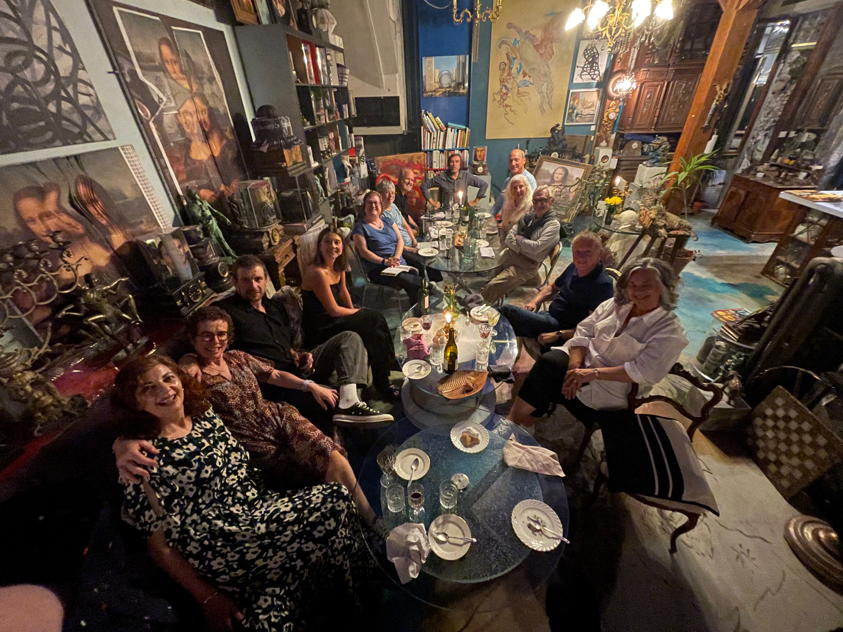
An evening at Kary'n apartment
A new data-driven shift reveals that the modern traveler is bypassing traditional hospitality in favor of immersion into local domestic life.
PARIS, FRANCE, April 2, 2026 /EINPresswire.com/ -- Global urban tourism has historically operated within two distinct tiers. The first is the Landmark Layer, focused on the visual consumption of monuments and skylines. The second is the Commercial Layer, consisting of the professionalized hospitality of hotels and high-street bistros. While these tiers remain the backbone of the travel economy, market data suggests they are no longer sufficient for the modern traveler.
A "Third Layer" is emerging: the private, domestic life of a city that exists behind residential doors. This segment is defined not by service, but by access. According to the Amadeus Travel Trends Report, the traditional "Hospitality Filter"—the professional barrier between a visitor and a resident—is increasingly viewed as a limitation. Today, 64% of global travelers identify "Personalized Community Connection" as their primary luxury motivator, signaling a move away from anonymous commercial spaces toward integrated cultural immersion.
“The industry is moving toward a community-first model,” states Jean-Michel Petit, CEO at Eatwith. “The objective is to provide a bridge that turns an anonymous city visit into a deeper, integrated experience.”
Urban Integration: The Case of the Marais
The Marais district in Paris serves as a primary case study for this shift. While the neighborhood is a cornerstone of the "Landmark Layer," its true cultural value remains locked in its private lofts and former industrial spaces. The transition from "tourist" to "guest" is exemplified by residents like Karyn Bauer.
A veteran of the French media landscape, Bauer operates within this Third Layer by opening the artist studio, a former foundry, she shares with her partner, Cris . This environment offers a level of immersion that commercial venues cannot replicate. The experience—which includes market-sourced foraging and technical culinary instruction—mirrors a broader trend identified in the American Express Travel 2026 Trending Destinations Report. The data shows that 72% of travelers now prioritize the "social food scene," while 58% specifically seek "home-hosted" encounters to secure an authentic sense of place.
In this context, the value is not found in the "amenities," but in the narrative. Guests engage with a version of Paris that is sourced directly from local artisans and private gardens, bypassing the standardized menus of the "Commercial Layer."
The Economy of Depth
As the 2026 travel season matures, the industry’s focus has shifted from breadth to depth. Whether a destination is local or international, the primary luxury is now the ability to bypass the "sightseeing" tier and enter the lived reality of a location. This movement represents a significant evolution in urbanism: the transformation of private homes and artist studios into the new centers of cultural exchange. In 2026, to travel effectively is to find a seat at the table of the city itself.
Laura Arciniegas
Eatwith
695679747 ext.
email us here
Visit us on social media:
LinkedIn
Instagram
Facebook
YouTube
TikTok
Legal Disclaimer:
EIN Presswire provides this news content "as is" without warranty of any kind. We do not accept any responsibility or liability for the accuracy, content, images, videos, licenses, completeness, legality, or reliability of the information contained in this article. If you have any complaints or copyright issues related to this article, kindly contact the author above.
